Services

Autobiography Writing

An autobiography is the story of a whole life, told by the person who lived it. It needs chronology, honesty, reflection, and a clear sense of what the life has come to mean.

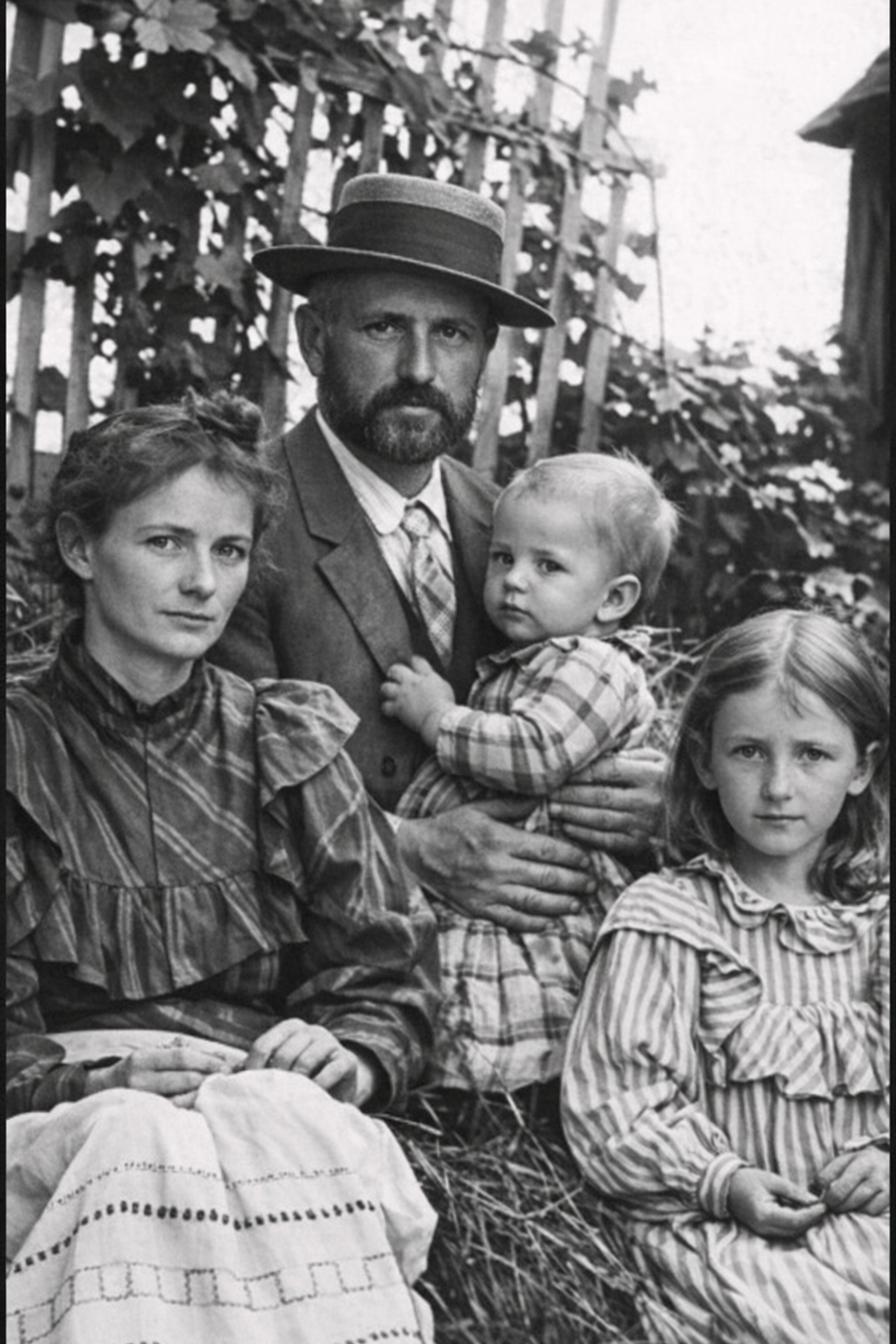
Historic family photograph representing a full life story
Life Atlas

An autobiography works best when it has a clear path. Start by putting the major events of your life in order. Then turn the important moments into scenes readers can picture. After that, add reflection so readers understand how those experiences changed you. In the end, shape the story around the values, lessons, and memories you want to pass on.

Phase One Structure

Build a life timeline before you write chapters

Autobiography covers more ground than memoir, so it needs a stronger backbone. Start by mapping the major phases of your life: childhood, school years, first work, relationships, family, moves, losses, achievements, reinventions, and the present day. The map does not have to be perfect. It simply gives every memory a place to land.

LivesToTell helps because you can record short memories before deciding exactly where they belong. After recording, organize each entry by date, place, person, or life chapter. Over time, the timeline becomes visible. You may notice years that need more stories, or a relationship that appears again and again as a turning point.

Start here: record ten short entries titled by age, place, or milestone. The chapter structure will emerge from the collection.


Phase Two Truth

Turn facts into scenes readers can enter

A list of facts is not yet an autobiography. "I moved to California in 1998" gives information, but a scene gives life: the boxes stacked near the door, the first meal in the new kitchen, the fear of starting over, the phone call you did not want to make. Readers remember what they can see and feel.

When using LivesToTell, record the facts first, then make a second pass for detail. Ask: What did that moment look like? Who was in the room? What did I misunderstand then that I understand now? What object, sound, or sentence carries the whole memory?

When a memory feels flat, zoom in. A suitcase, lunchbox, hospital bracelet, birthday candle, or old car can unlock a whole chapter.

Phase Three Reflection

Add meaning without over-explaining

Autobiography is not only what happened. It is also what those events came to mean. Reflection gives the reader access to your growth: what you believed then, what changed, what you still question, and what you hope others learn from your life.

LivesToTell is useful because voice journaling captures reflection naturally. After recording a scene, add one more note that begins with "What I know now is..." or "At the time, I did not understand..." These short reflections often become the heart of a chapter.

End each major section with a sentence that looks forward or backward. Show how the event shaped the next decision, relationship, or value.

Phase Four Legacy

Shape the story around what you want to pass on

A strong autobiography does more than collect memories. It leaves readers with a sense of what mattered most. After you have gathered the timeline, scenes, and reflections, step back and ask what your life story is trying to give: encouragement, family history, hard-earned wisdom, resilience, or a more honest picture of who you have been.

LivesToTell can help you notice the themes that keep returning across your recordings. Maybe many stories are really about courage. Maybe they are about starting over, protecting family, faith, creativity, work, or love. Use those repeated themes to guide the final order of chapters.

Record one closing message that begins, "If you remember one thing from my story..." It can become the emotional compass for the entire autobiography.

LivesToTell Method

Speak first. Arrange later. Keep the voice.

The best autobiography does not sound manufactured. It sounds like a life remembered with clarity. LivesToTell lets you capture the raw voice first, then shape the timeline, scenes, and reflections into a lasting story.

Download LivesToTell

Start writing your story today

Install LivesToTell, record one memory in your own voice, and let the app help you turn it into a story your family can keep.